In October 2025 the Brewers Association told its members that breweries in California were running into force majeure clauses in their CO₂ contracts, provisions that let suppliers impose severe allocations and raise prices. The same association publishes a guide on carbon dioxide contracting so members can work out what their own agreement permits when supply gets tight. Trade groups do not write contracting guides for products that always show up on time.
Most coverage of CO₂ shortages explains the causes. Ammonia plants curtail when natural gas gets expensive. Ethanol output follows fuel demand. All of that is accurate, and none of it is under a beverage producer's control. The supply agreement is.
Allocation Is Written Into the Agreement
When a merchant supplier cuts deliveries, it is usually operating inside the contract. Industrial gas supply agreements commonly carry allocation provisions that let the seller reduce volumes across its customer base when its own upstream supply falls short. Force majeure language addresses the triggering event. The allocation clause decides who absorbs it.
That structure explains why 2022 landed so unevenly. Large national brands held long term agreements and dedicated infrastructure, and they stayed near the front of the line. Craft breweries, regional bottlers, and food processors buying on shorter cycles saw allocations cut first and restored last. The difference was in the paperwork, written years before the shortage.
So the useful question for a buyer is a narrow one. What reduction does my agreement permit, on what notice, and where do I sit relative to the seller's other customers? A contract can promise reliable supply in the first paragraph and permit pro rata cuts in a later section. Both statements are operative, and only one of them matters in August.
Two Contracts Can Be One Source
The standard hedge is a second supplier. It is good advice that often fails for a reason buyers cannot see from where they sit, because merchant CO₂ is a byproduct business and the distribution layer sits well downstream of production.
A beverage producer can hold agreements with two different distributors and have both of them drawing from the same ammonia plant. On paper that is diversification. In an outage it is one source with two invoices. The failure that matters happens upstream of whoever signs the delivery ticket, and nothing in either contract will reveal it.
Finding out means asking a question that is not on the standard supplier questionnaire. Which production facilities actually serve my location, and who else draws from them? Suppliers do not always volunteer that, and some treat it as commercially sensitive. It is still worth asking. Concentration is the risk, and correlated sources fail together. Every major CO₂ shortage in recent memory has been a correlation event.
Geography Limits the Fix
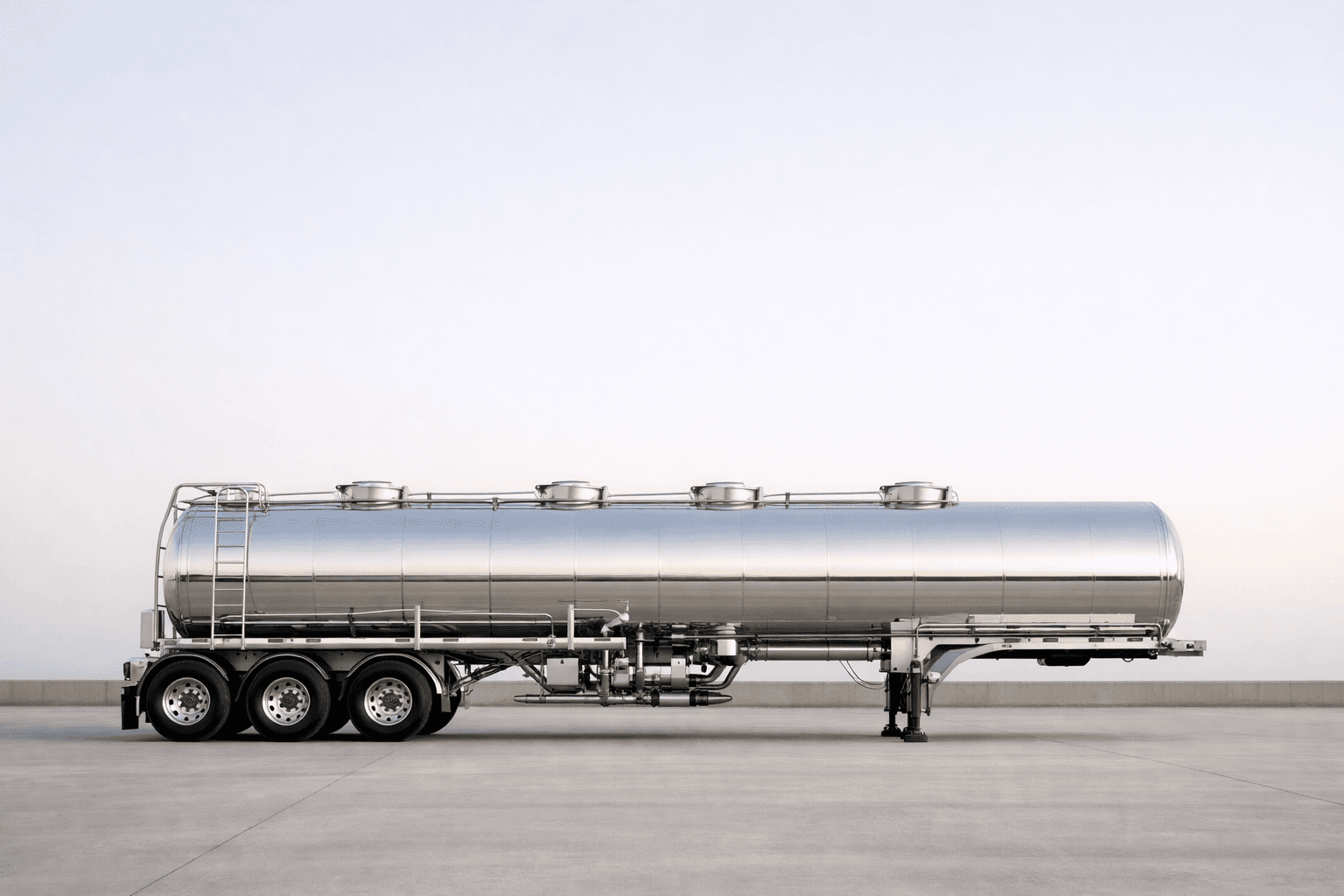
Freight economics cap how far a solution can travel. A tanker carries roughly 20 tons, and liquid CO₂ is heavy enough that delivered cost climbs quickly with distance. A regional shortage does not get solved by pulling volume from a healthy region, because the freight stops making sense before the miles run out. Regional markets are semi isolated by logistics, which is why regional imbalances last longer than they should.
The Southeast has been carrying this exposure for a while. In August 2024 the Brewers Association flagged major scheduled downtime at two large production facilities in Virginia and Georgia. It also put CO₂ demand growth at roughly 2 percent a year against supply that grows more slowly. Tight markets do not thin out evenly. They thin out first where there are fewest nearby sources.
What Actually Reduces the Risk
None of this gets fixed during an allocation. Reading the allocation and force majeure terms in a current agreement is quiet quarter work, and so is tracing supply back to the plants it comes from. Adding a genuinely independent source is the slowest piece, because CO₂ that touches a finished beverage has to arrive with a certificate of analysis and traceability behind it, and confirming that takes an audit and a document review. A backup supplier who has not been through that process is a contact, not a hedge.
The structural answer is more production, closer to demand, running on feedstocks that do not move with natural gas prices. That is the premise behind our facility in Lewiston, NC. We co-locate at RNG facilities, capture the CO₂ stream that would otherwise vent, and purify it to beverage grade using our patent pending cryogenic process. RNG output follows tipping fees and renewable fuel incentives, so the CO₂ keeps coming in the quarters when ammonia margins compress and the conventional sources pull back together.
One facility does not fix a national market. It does change the arithmetic for buyers inside trucking distance, and it adds a source that is not correlated with the ones already in their supply base. That last part is the whole point. A second contract is worth something only when it is a second source.