A certificate of analysis for bulk CO₂ comes in two forms. A typical COA reports what a supplier's product generally looks like. An actual COA reports the lot sitting in the trailer at the receiving connection. The Brewers Association tells its members to ask for the second one, and the reason that advice has to be written down at all is that most deliveries show up with the first.
That gap is where second source planning usually breaks. A beverage producer who has read an allocation letter already knows the fix is another supplier. Finding one takes a phone call. Approving one takes a program, and the program is usually still unwritten when the shortage arrives.
Approval Belongs to the Buyer
Under FDA's preventive controls rule, a facility that receives a raw material has to run a risk based supply-chain program for any ingredient its hazard analysis flags as needing a supply-chain-applied control. That is 21 CFR Part 117, Subpart G. Carbonation gas goes into the finished product, so at most carbonated beverage plants it lands inside that program.
The rule puts approval on the receiving facility, at 117.410, and it closes the obvious shortcut. A facility may not accept its supplier's own determination of which verification activities are appropriate for that supplier. An audit conducted by a qualified third party auditor can be relied on. A vendor's assurance that it has quality handled cannot.
That is what turns a second source from a purchasing decision into a quality decision. The buyer owns the file. The buyer defends it in an FDA inspection or a customer audit, and the file has to exist before the first load goes into product.
The Spec Is Twenty Parameters Wide
The ISBT bulk carbon dioxide guidelines set roughly twenty parameters for gas going into a carbonated beverage. Minimum purity is 99.9 percent. Moisture caps at 20 ppm, process oxygen at 30 ppm, total volatile hydrocarbons at 50 ppm, ammonia and carbon monoxide lower still. Aromatic hydrocarbons, benzene among them, are held at 20 parts per billion.
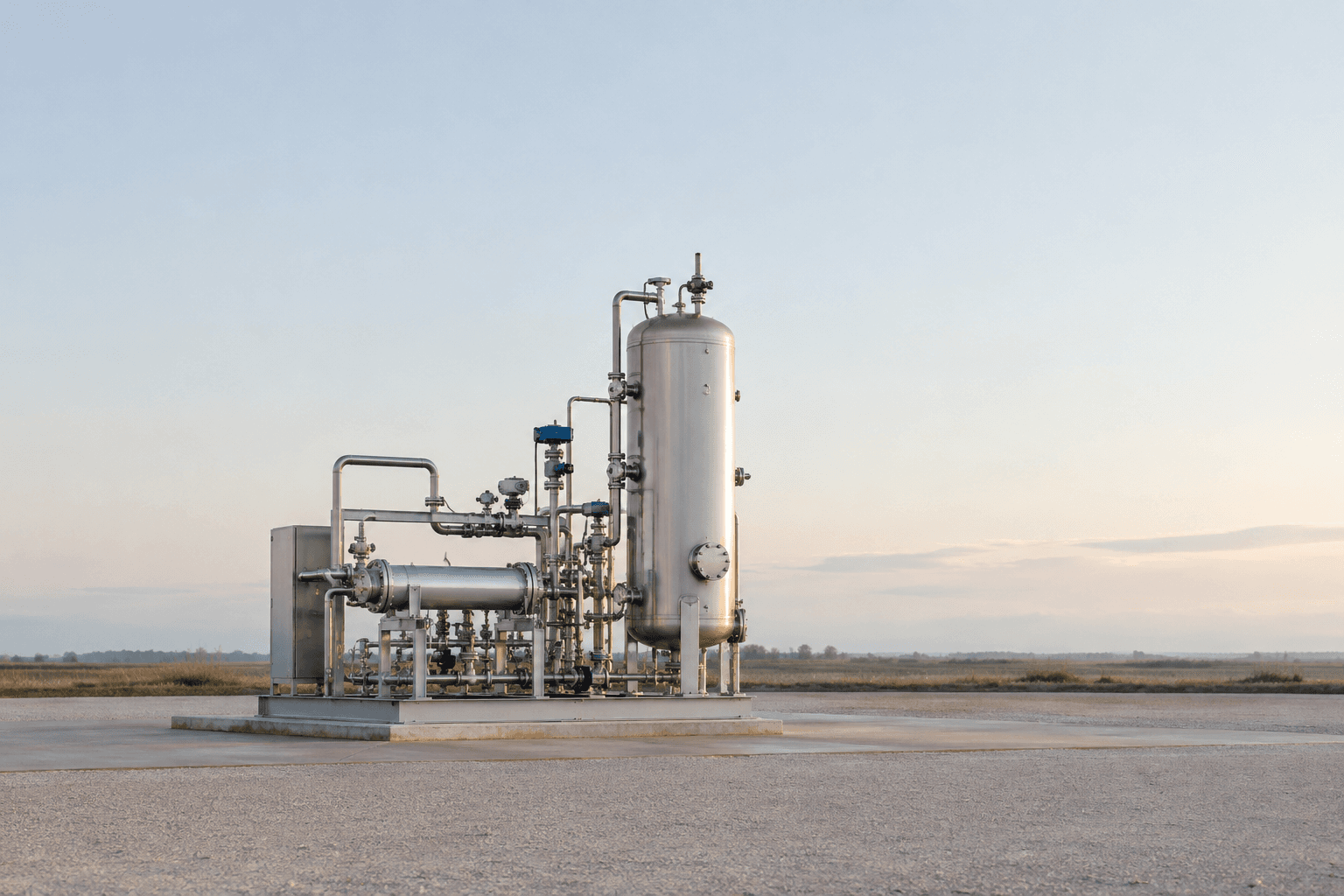
A supplier who reports 99.9 percent has answered one line of twenty. The other nineteen are where loads actually fail, and they fail for reasons that trace back to the feedstock. An ethanol fermenter, an ammonia plant, and a refinery hydrogen unit each carry a different contaminant profile. The purification train is the only thing standing between that profile and the spec.
The Brewers Association also tells breweries to ask a supplier what proportion of its CO₂ comes from ethanol production, from petrochemical production, and from other sources. Two suppliers quoting the same grade can be drawing from the same regional plant. Nothing on the COA reveals that, so a buyer has to ask the question directly.
What Qualification Actually Involves
The work is ordinary. A written specification the supplier agrees to hold, naming ISBT grade rather than the words food grade on their own. Actual COAs per load, retained. Independent confirmation through an ISO accredited lab, which the Brewers Association recommends over taking a producer's own numbers on faith. A periodic audit of the supplier's quality management practices. Records of all of it, which Subpart G requires at 117.475.
Then there is the plant's own side. Receiving procedures, fitting and hose compatibility, a sampling point, a hazard analysis updated to name a second supplier, and under a co-packing agreement, a brand owner who has to sign off on any change to an ingredient source. None of that is hard. All of it takes calendar time, and the calendar belongs to the buyer's approval process and its customers' audit schedules. A supplier can load a trailer faster than a brand owner can approve a source change.
The Timing Is the Whole Point
An allocation event compresses everything except the paperwork. Product can be expedited. A supplier approval file cannot be backdated, and a plant that runs an unqualified source to keep a line moving has swapped a supply problem for a food safety finding. The second source has to sit approved and idle, which looks like waste right up until the week it doesn't.
The practical version is to qualify a backup during a quiet quarter, take a small volume from it now and then so the relationship and the COA history are real, and keep the file current. A source that has never delivered is a name on a list.
Where New Supply Has to Land
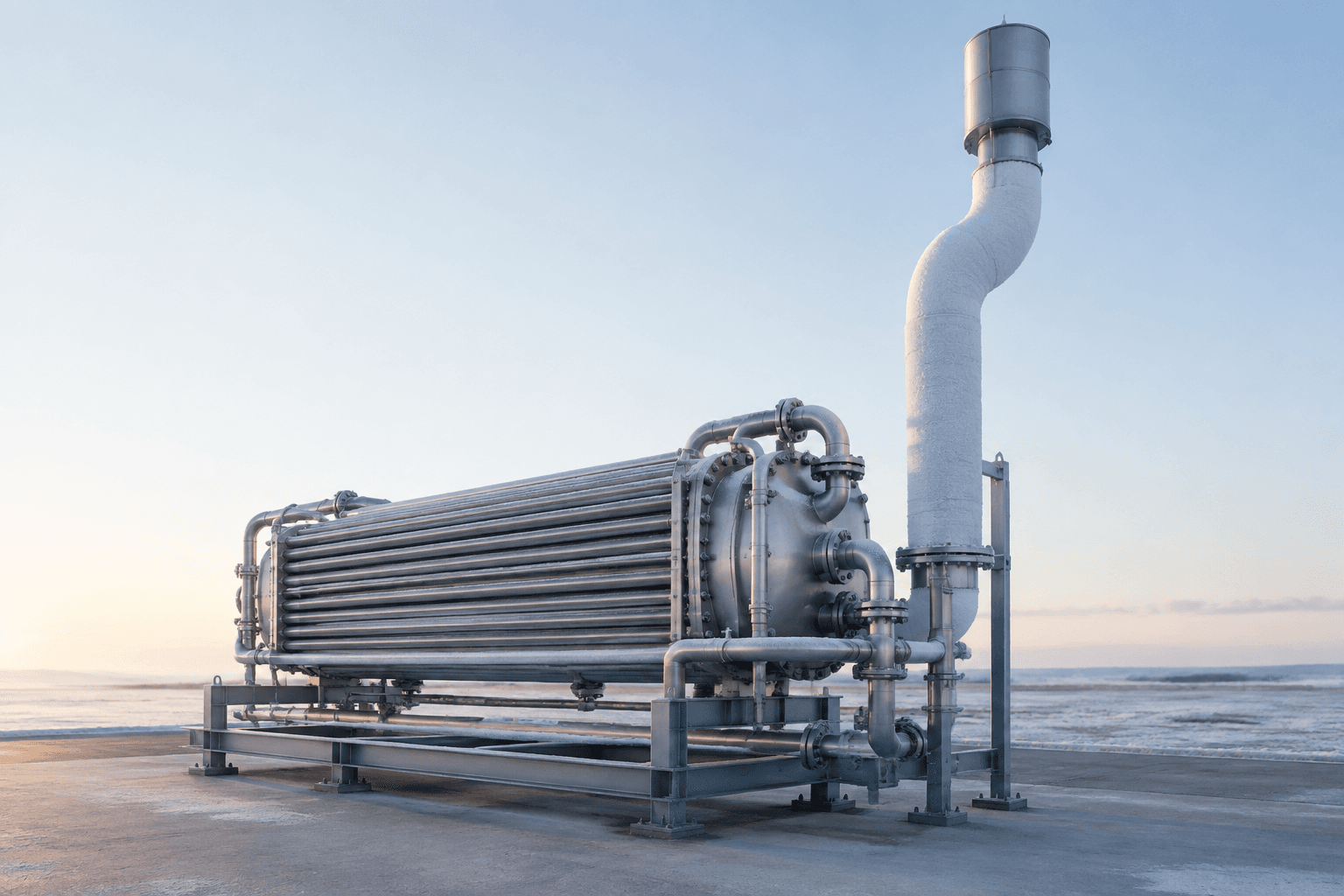
This is the standard any new CO₂ source has to clear before it counts as supply for a beverage customer. Volume and proximity get a project onto a shortlist. Beverage grade, held load after load and documented, is what gets it approved. That is why our purification work is built around a patent pending cryogenic process instead of a cheaper cleanup. The spec is the buyer's admission requirement, and a source that clears it most of the time has not cleared it. CleanCycleCarbon entered continuous commercial beverage grade production in December 2024.
For a producer, the useful move this quarter is small. Pull the last certificate of analysis you received and check whether it describes your load or a typical one. That answer tells you how much of a supplier qualification program you actually have.