Under the Greenhouse Gas Protocol, carbon dioxide released from biomass does not go into Scope 1, Scope 2, or Scope 3. It sits on a separate line, reported outside the scopes entirely. Most procurement teams that buy CO₂ have never seen that line, and it changes how the gas in their product should be counted.
For years, buying CO₂ was a decision about price and availability. Now it is also a carbon accounting decision. Food and beverage companies are mapping Scope 3 emissions across every input, and the CO₂ they buy to carbonate drinks, flash-freeze food, or treat water is no longer too small to notice. The question is not only what it costs. It is how it gets counted, and whether the number a company reports can survive an audit.
Where Purchased CO₂ Actually Lands
For a beverage company, purchased CO₂ is a Scope 3 emission. It falls under Category 1, purchased goods and services, which captures the cradle-to-gate emissions of producing the gas. The trucks that deliver it fall under Category 4, upstream transportation and distribution. Neither shows up in the company's direct Scope 1 figure, because the company did not produce the CO₂ itself.
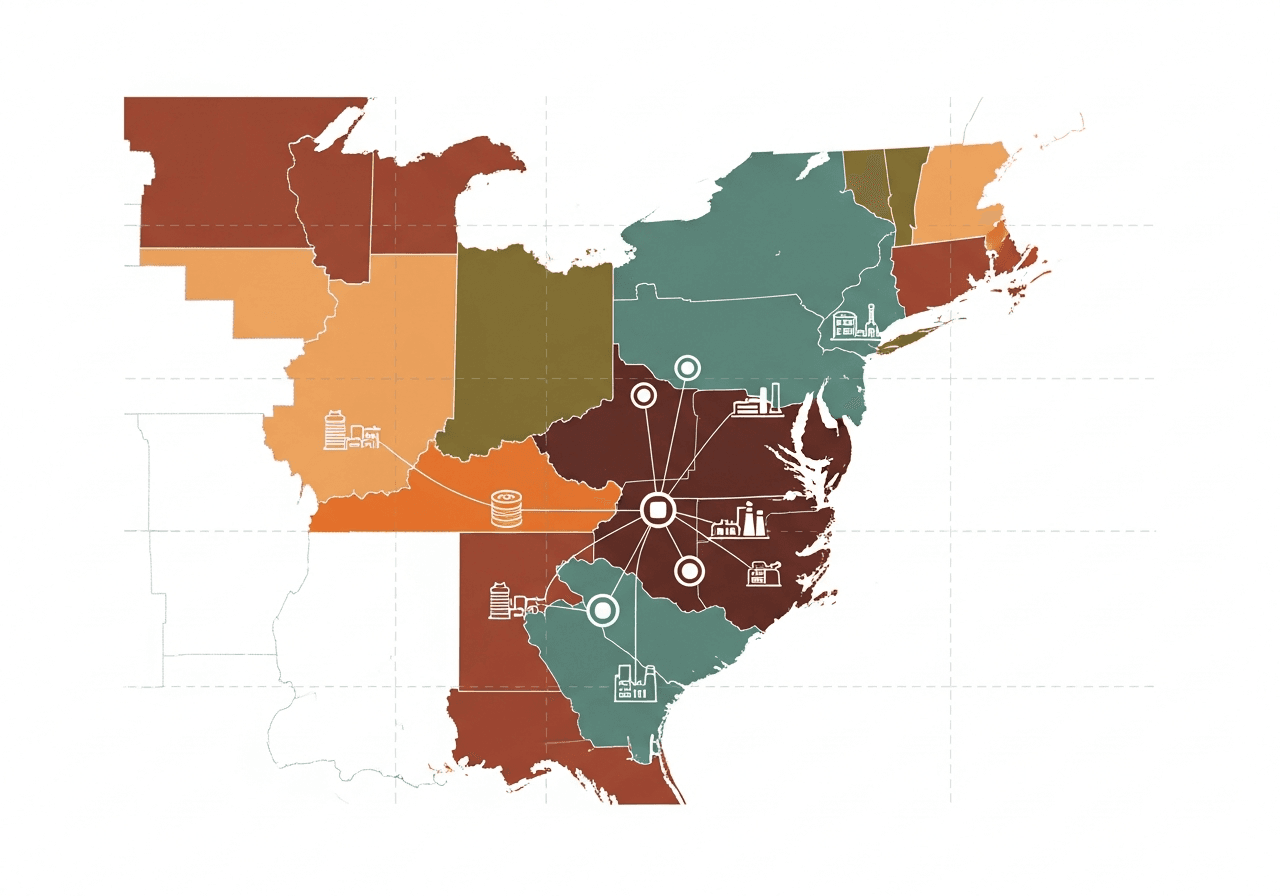
That sounds tidy, but it hides a problem. The emissions embedded in a ton of CO₂ depend entirely on how it was made and how far it traveled. CO₂ pulled off an ammonia plant that burns natural gas as a feedstock carries a different footprint than CO₂ recovered from a renewable natural gas upgrader. A 500 mile haul from the Gulf Coast carries a different footprint than a 120 mile run from a regional facility. The scope category is identical. The actual number is not.
The Biogenic Line Item Most Buyers Miss
This is where the separate biogenic line matters. The Greenhouse Gas Protocol treats CO₂ from biological sources differently from fossil CO₂. When carbon that plants pulled out of the air recently is released again, it is part of a short cycle, so it is reported outside the scopes as a biogenic figure rather than as a fossil emission. Fossil CO₂, the kind that originates from natural gas or petroleum feedstocks, goes into the scopes and adds new carbon to the atmosphere.
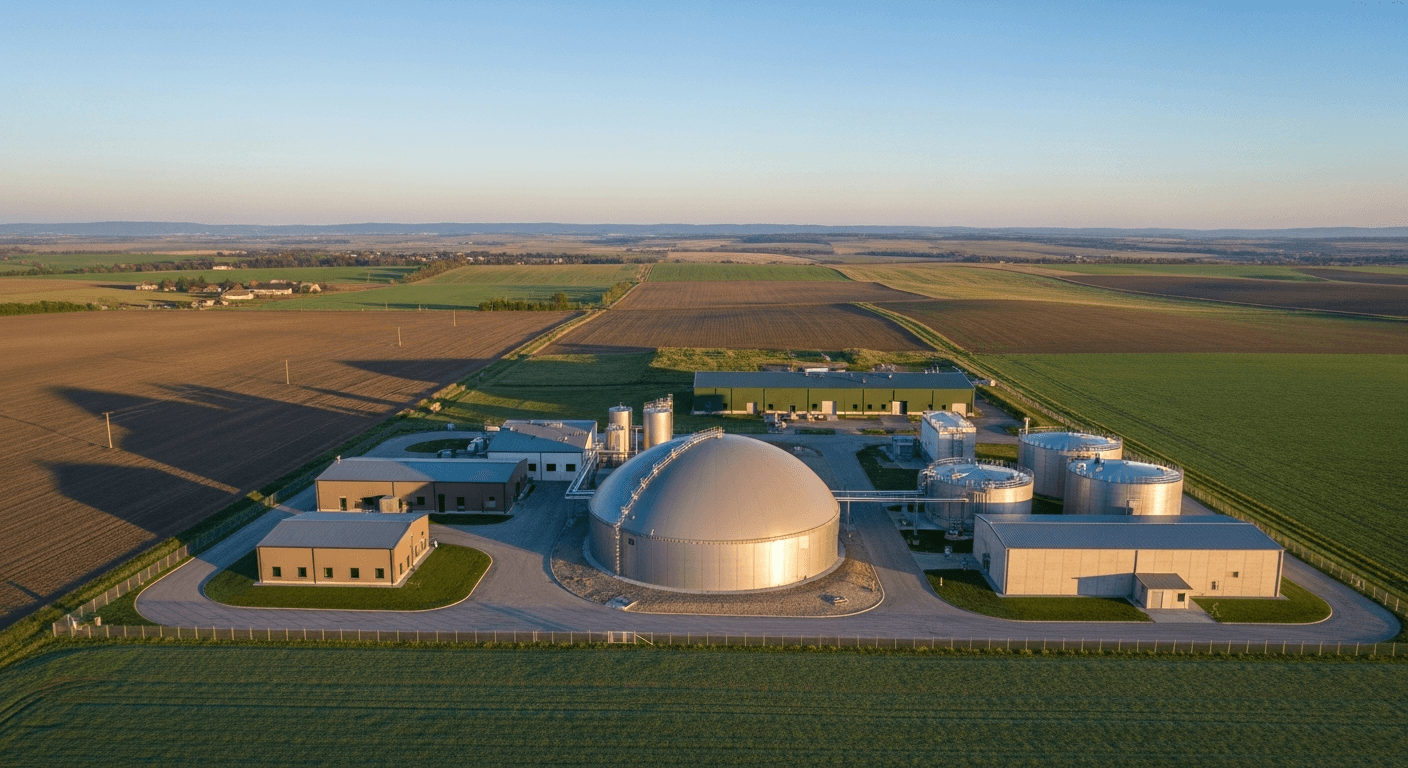
CO₂ recovered from an RNG upgrader is biogenic. The carbon in that stream came from landfill gas, agricultural digesters, or food and farm waste. It was in the atmosphere recently, and absent capture it would vent straight back. Recovering it and putting it into a product does not introduce new fossil carbon. For a company that separates biogenic and fossil emissions in its reporting, switching from ammonia-derived CO₂ to RNG-derived CO₂ moves the line item from one column to the other. The volume of gas does not change. The carbon accounting does.
A Database Average Is Not Primary Data
Most companies never get this far, because most companies use a generic emissions factor. They take the tonnage of CO₂ they bought, multiply it by an industry average pulled from a database, and call it done. That is secondary data, and it is the accounting equivalent of guessing. It assumes every ton of CO₂ in the country carries the same footprint, which is not remotely true.
The frameworks that matter are moving away from that. The Science Based Targets initiative and CDP both reward supplier-specific primary data over database averages, because primary data reflects what actually happened rather than a national mean. A company that can show where its CO₂ was captured, how it was purified, and how far it traveled is reporting a real number. A company applying a default factor is reporting a placeholder and hoping it holds.
What Makes the Claim Defensible
Primary data is only as good as the documentation behind it. To put a credible CO₂ figure in a sustainability report, a buyer needs a handful of things from the supplier: where the CO₂ originated, whether the source is biogenic or fossil, the capture and purification method, and the transport distance and mode. A chain-of-custody or mass-balance record that ties a delivered load back to its source closes the loop.
Most merchant CO₂ cannot offer that. It is aggregated, blended across sources, and moved through layered distribution, so the original source is effectively lost by the time it reaches the customer. CO₂ produced at a single known facility, from a single known feedstock, with a documented purification process, can. That traceability is not a marketing feature. It is the difference between a reportable number and an estimate.
Beverage Grade Is Still the Gate
None of this matters if the product fails spec. A beverage company cannot switch to a lower-carbon CO₂ source if that source cannot hit the ISBT purity standard. Benzene, hydrogen sulfide, total sulfur, and acetaldehyde, all measured in parts per billion, decide whether a load is accepted or rejected. There is no carbon accounting credit for delivering CO₂ that a customer cannot use.
That is the hard part of the work. Capturing CO₂ from an RNG upgrader is straightforward. Purifying it to beverage grade with cryogenic processing, so that every load meets the same specification as CO₂ from a century-old ammonia plant, is what makes the lower-carbon story real. CleanCycleCarbon builds that purification at the upgrader site, which is also what makes the source documentation possible. The CO₂ comes from one place, and we can say exactly where it came from.
Carbon accounting for CO₂ is still maturing. The conventions for captured and reused carbon are not fully settled, and reasonable people argue about the edges. But the direction is clear. Buyers are being asked harder questions about every input, and CO₂ is no longer exempt. The suppliers who can hand over real source data, from a biogenic feedstock, with beverage grade purity and a short haul, are the ones whose customers can actually report the number. The rest will be left applying a database average and hoping nobody asks.