A captured CO₂ stream can be 99 percent carbon dioxide and still be unusable for a beverage plant.
That is the part of the carbon utilization conversation that gets skipped. People talk about capture as if the job ends when CO₂ is separated from an exhaust stream, an RNG upgrader, or a fermentation process. For a buyer, that is not the product. It is raw material.
The product starts when that stream meets the specification of the market it is trying to serve. In food and beverage, that means beverage grade CO₂. Not generally clean. Not close. Beverage grade.
Capture Is Not the Same as Qualification
CO₂ is used in a lot of places. It goes into carbonated drinks, breweries, food processing, modified atmosphere packaging, greenhouse enrichment, water treatment, dry ice, welding, and industrial cooling. Each market has a different tolerance for impurities.
A greenhouse grower may care mostly about availability, delivery reliability, and basic contaminant control. A beverage company has a much narrower window. The gas touches the product. It affects taste. It affects safety. It has to be documented. A load that looks fine on a broad purity number can still fail because of trace contaminants measured in parts per billion.
That is why beverage grade matters so much. It is not a marketing label. It is the line between captured carbon that has a real market and captured carbon that still needs more work.
The Source Sets the Challenge
Every CO₂ source has a fingerprint. CO₂ from ammonia production brings one set of operating risks. CO₂ from ethanol fermentation brings another. CO₂ from renewable natural gas upgrading brings a different one entirely.
RNG is a strong source for the market because the CO₂ is biogenic and already concentrated during upgrading. The operator is separating methane from carbon dioxide anyway. In many cases, that CO₂ is vented after the methane is cleaned up for pipeline injection. Capturing it creates a domestic supply source from a stream that already exists.
But the same stream that makes RNG attractive also makes purification difficult. Biogas can carry sulfur compounds, volatile organic compounds, moisture, oxygen, nitrogen, siloxanes, and other trace contaminants. Some of those contaminants are manageable for industrial uses. They are not acceptable when the target is beverage grade.
Purity Is a Technical Problem, Not a Slogan
The easy version of the story is that biogenic CO₂ is lower carbon and therefore better. The real version is more demanding. Biogenic CO₂ has to be captured, dried, compressed, purified, liquefied, tested, stored, and delivered without losing the reason a buyer wanted it in the first place.
This is where process design matters. A system that works on one feedstock will not automatically work on another. A stream with sulfur risk needs different removal steps than a stream with oxygen risk. A distributed source has different reliability requirements than a large centralized plant. The equipment has to match the gas, the customer specification, and the delivery model.
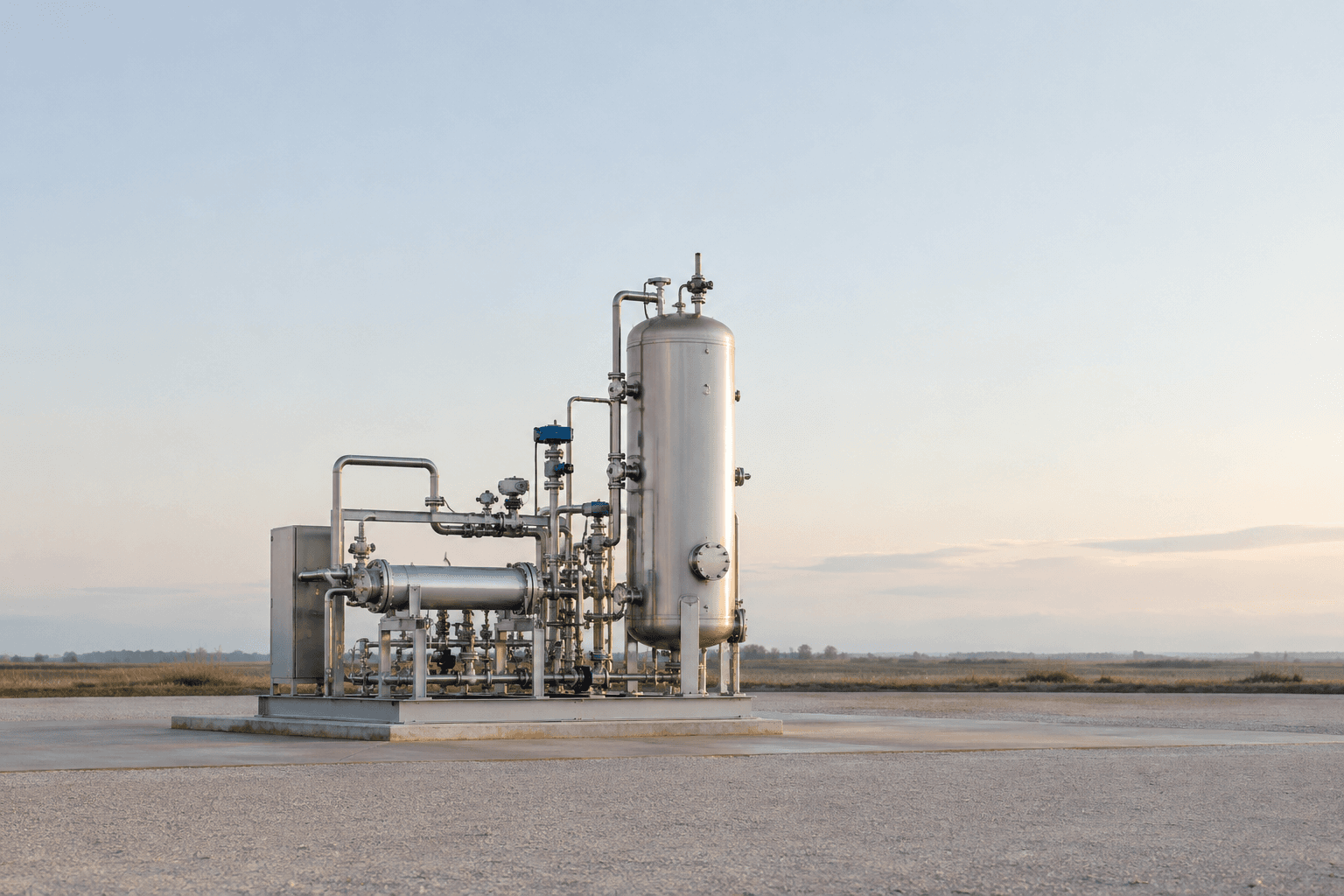
At CleanCycleCarbon, our work is built around that practical middle ground. We are not just capturing CO₂ because capture sounds good. Our Lewiston, North Carolina facility was built to take CO₂ from an RNG upgrader and purify it into beverage grade liquid CO₂. Our patent pending cryogenic purification process is designed to remove the contaminants that matter for food and beverage buyers.
Why Beverage Grade Changes the Business Case
Beverage grade qualification changes what a project can be. Without it, a capture project is limited to lower-spec markets or carbon accounting value. Those can matter, but they are not the same as serving a buyer who needs dependable CO₂ for an operating plant.
With beverage grade product, the conversation shifts. The CO₂ can serve beverage, food processing, dry ice, and other quality-sensitive customers. It can move through the same distribution relationships the industry already uses. It can support buyers who need both a cleaner source and a reliable product.
That distinction is important because the industry does not need a parallel fantasy supply chain. It needs better supply inside the real one. Distributors, beverage companies, breweries, and food processors already have systems for buying, testing, receiving, and using CO₂. New sources have to work with those systems, not ask the market to rebuild itself around a sustainability claim.
Documentation Matters Too
The physical product is only half the requirement. Buyers also need documentation. They need certificates of analysis, source information, food safety records, and a clear chain of custody. Sustainability teams may also need support for Scope 3 reporting or internal carbon accounting.
That documentation has to connect to the actual operation. It is not enough to call the CO₂ biogenic if the purification process cannot demonstrate consistent quality. It is not enough to meet a purity spec once if the facility cannot repeat it. The value is in reliable production, not a single good lab result.
This is why beverage grade is the key differentiator. It forces the project to prove itself in the language buyers already understand: specification, testing, reliability, and delivery.
The Useful Definition of Carbon Utilization
Carbon utilization should mean more than finding a place to put CO₂. It should mean turning a waste stream into a product that can displace conventional supply without creating new problems for the customer.
For CleanCycleCarbon, that means working with RNG operators, distributors, and end users to add domestic CO₂ supply that is biogenic, practical, and beverage grade. The sustainability case matters. The supply chain case matters. But neither one means much if the product cannot meet the spec.
Captured CO₂ becomes valuable when it earns a place in the market. In food and beverage, that place is earned one way: meet the beverage grade standard, document it, and deliver it consistently.