The United States imports almost no CO₂. It is too heavy, too cold, and too expensive to move across an ocean in any meaningful volume. Unlike oil, grain, or steel, there is no global market to fall back on when domestic supply gets tight. What we produce here is all there is.
That fact does not get enough attention. Most people in manufacturing, food processing, and beverage production assume CO₂ is just available. It shows up on a truck, the tank gets filled, production continues. Until it does not.
A Supply Chain Built on Concentration
The majority of merchant CO₂ in the U.S. comes from a small number of large sources. Ammonia plants along the Gulf Coast. Ethanol facilities in the Midwest. Natural CO₂ wells like Jackson Dome in Mississippi. These sources have supplied the market for decades, and the infrastructure around them, pipelines, storage, and distribution networks, was built to move CO₂ from these concentrated points to customers across the country.
The problem is what happens when one of those sources goes offline. An ammonia plant shuts down for maintenance. An ethanol facility reduces output because corn prices shifted. Contamination is discovered at a natural well. When any of these events occur, and they occur regularly, the supply chain does not have a backup plan. There is no emergency reserve. There is no international shipment on the way. Customers go on allocation, prices spike, and entire regions scramble.
2022 Was a Preview, Not an Anomaly
In the summer of 2022, several major CO₂ sources went down simultaneously. The impact was immediate. Breweries that had never thought about their CO₂ supply suddenly could not get it. Food processors cut production. Dry ice became nearly impossible to source in some markets. Customers who had single-source supply agreements discovered the hard way that one supplier means one point of failure.
Some companies responded by diversifying their supply after the crisis passed. Many did not. They went back to the same arrangements that failed them, betting that it would not happen again. It will happen again. The underlying structure of the market has not changed.
Why Distance Matters
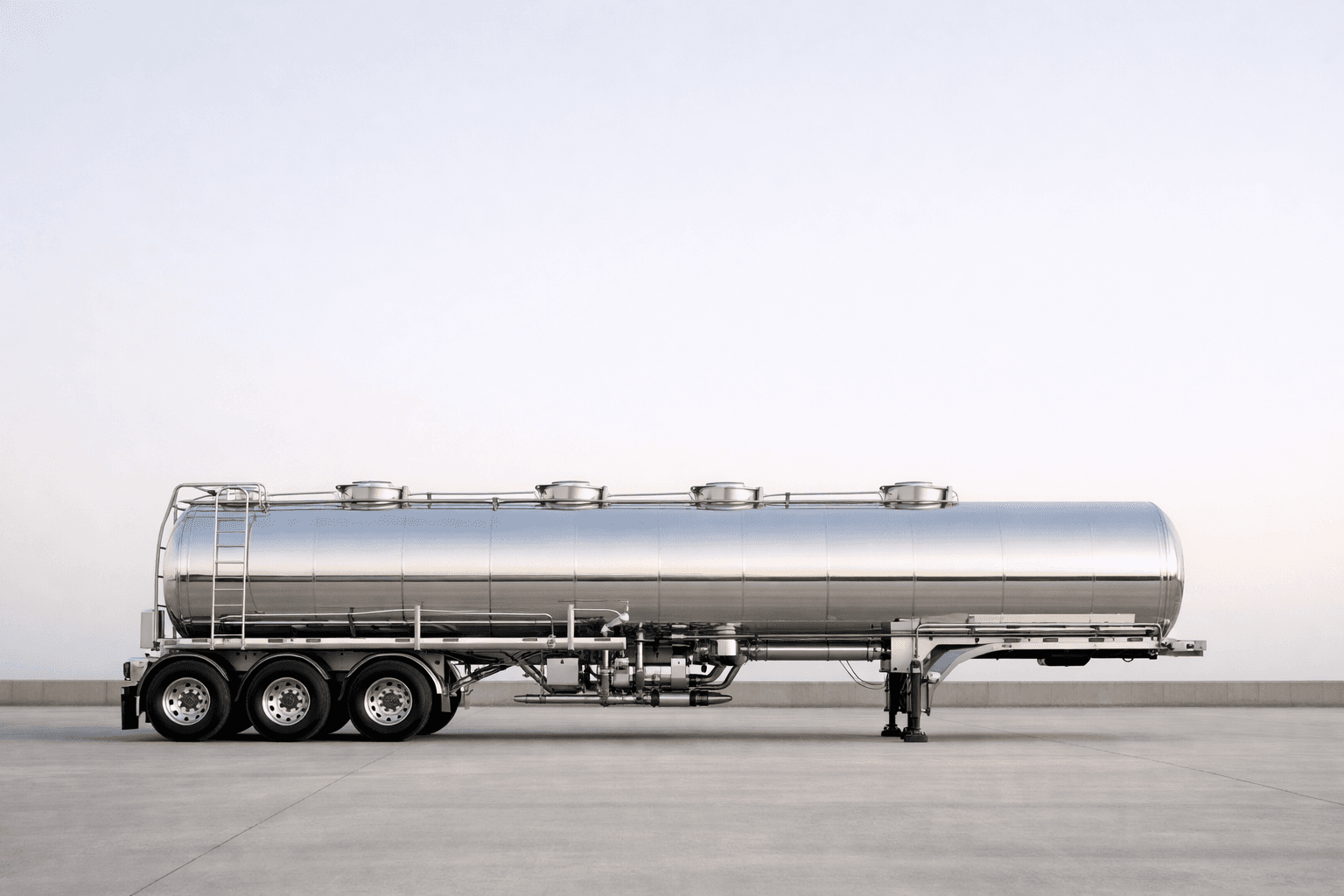
CO₂ is a regional product. It is delivered as a cryogenic liquid in insulated tanker trucks, and every mile of transport adds cost and complexity. A customer in the Southeast who depends on CO₂ from a Gulf Coast ammonia plant might be receiving product that has traveled 400 to 600 miles. That works until the plant goes down, the truck fleet is stretched thin, or fuel costs make the delivery economics unsustainable.
In most commodity markets, distance is buffered by global trade. If a steel mill in Pennsylvania cannot get supply from a domestic producer, it can source from Brazil or South Korea. CO₂ does not work that way. It is locked into regional supply and demand dynamics with no global safety net.
The Case for Distributed Production
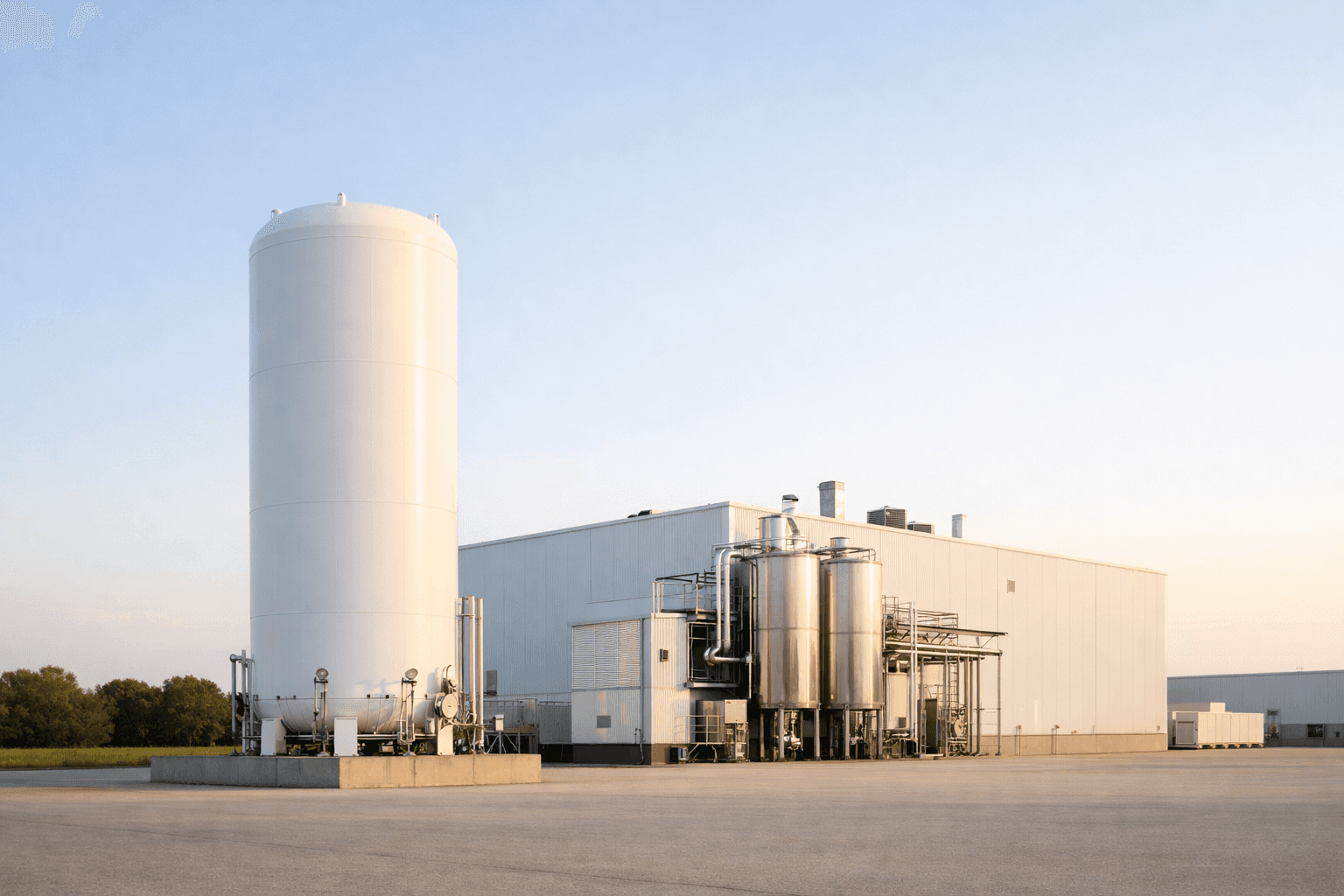
The solution is not building bigger plants in the same locations. It is building smaller, distributed production facilities closer to where CO₂ is actually consumed. Facilities that run on locally available feedstocks, produce beverage grade product that meets the ISBT specification, and deliver within a 150 mile radius.
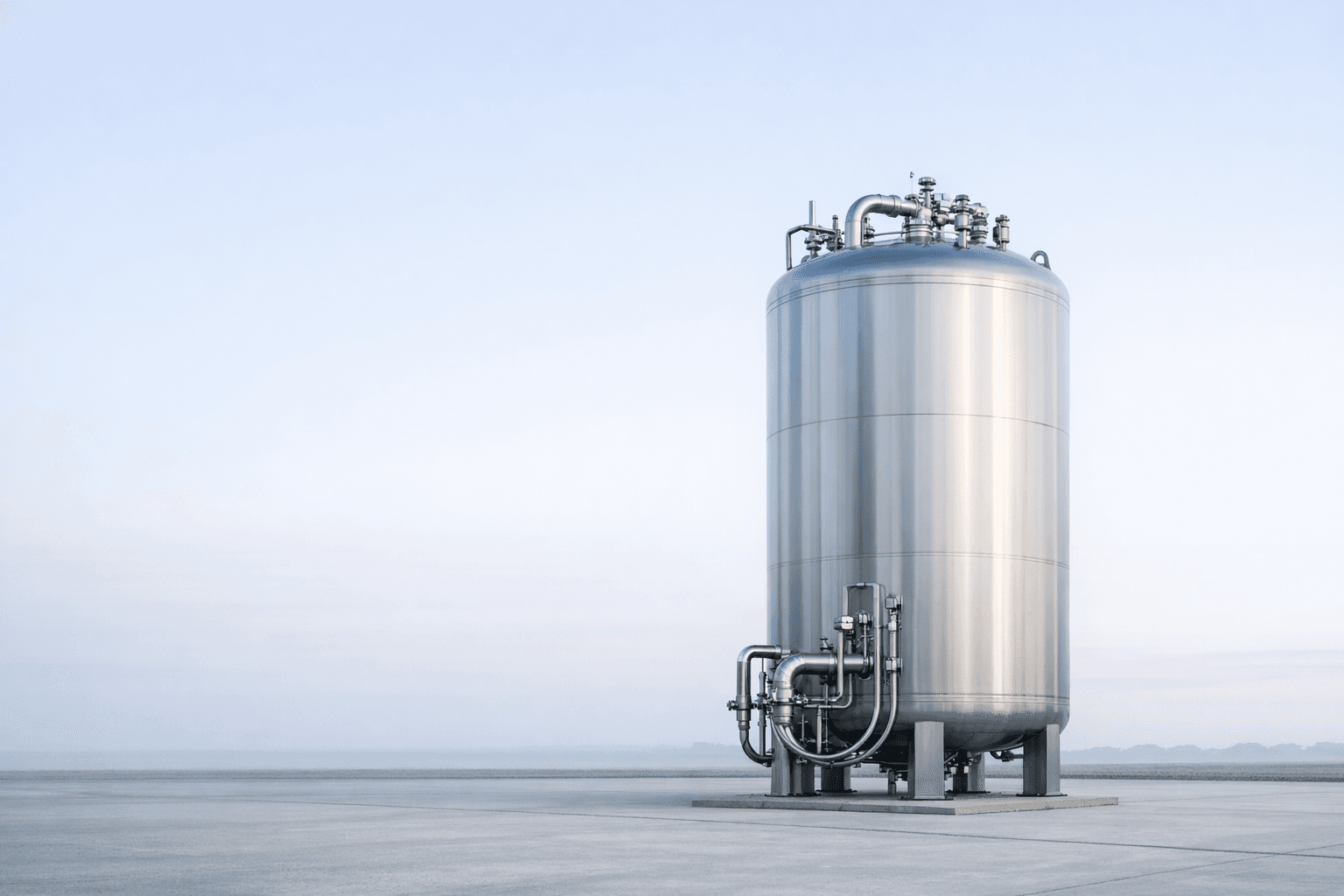
This is what CleanCycleCarbon is building. We capture CO₂ from the backend of renewable natural gas upgraders, a source that runs year round and produces a consistent, concentrated CO₂ stream. We purify that CO₂ to beverage grade using our cryogenic process. And we deliver it to customers who need reliability more than they need a national account manager.
Every ton we produce is a ton that does not need to travel 500 miles from a single concentrated source. That is better for the customer. It is better for the supply chain. And it is a model that can be replicated at RNG facilities across the country.
Beverage Grade Is the Bar That Matters
Capturing CO₂ is one thing. Capturing it at the purity level that food and beverage companies require is another. Without beverage grade certification, the largest and most stable end markets are closed to you. Industrial grade CO₂ from an RNG upgrader has limited buyers and lower margins. Beverage grade opens the door to the customers who pay for reliability and consistency.
This is the technical differentiator that separates new supply from useful new supply. The market does not need more industrial grade CO₂. It needs more beverage grade CO₂ produced close to demand, from sources that do not depend on ammonia production schedules or ethanol margins.
CO₂ Security Should Be Part of the Conversation
We talk about energy security. We talk about food security. We talk about supply chain resilience for semiconductors and critical minerals. CO₂ does not get the same attention, but it should. It is essential to beverage carbonation, food processing, water treatment, medical applications, greenhouse agriculture, and cold chain logistics. When supply gets disrupted, the downstream effects touch consumers directly.
Building domestic CO₂ supply from distributed, reliable sources is not a nice idea for the future. It is an operational necessity for any business that depends on this product today. The companies that figured that out after 2022 are in a stronger position now. The ones that did not will learn the same lesson again.