The U.S. merchant CO₂ supply chain is built around a small number of large production facilities. Ammonia plants in Louisiana and Oklahoma. Ethanol plants in the Midwest corn belt. A few natural CO₂ wells in the Mountain West. When any one of these goes down, entire regions lose supply.
There is a different model. Instead of a few massive plants, you build many smaller systems distributed across the country, co located at facilities that already produce concentrated CO₂ as a byproduct. This is the model we are building at CleanCycleCarbon, and the business case is stronger than most people expect.
Why Distributed Beats Centralized
Centralized CO₂ production has scale advantages. A 500 ton per day ammonia based CO₂ plant has lower per unit costs than a 30 ton per day facility. That is basic industrial economics. But centralized production has costs that do not show up in the unit economics.
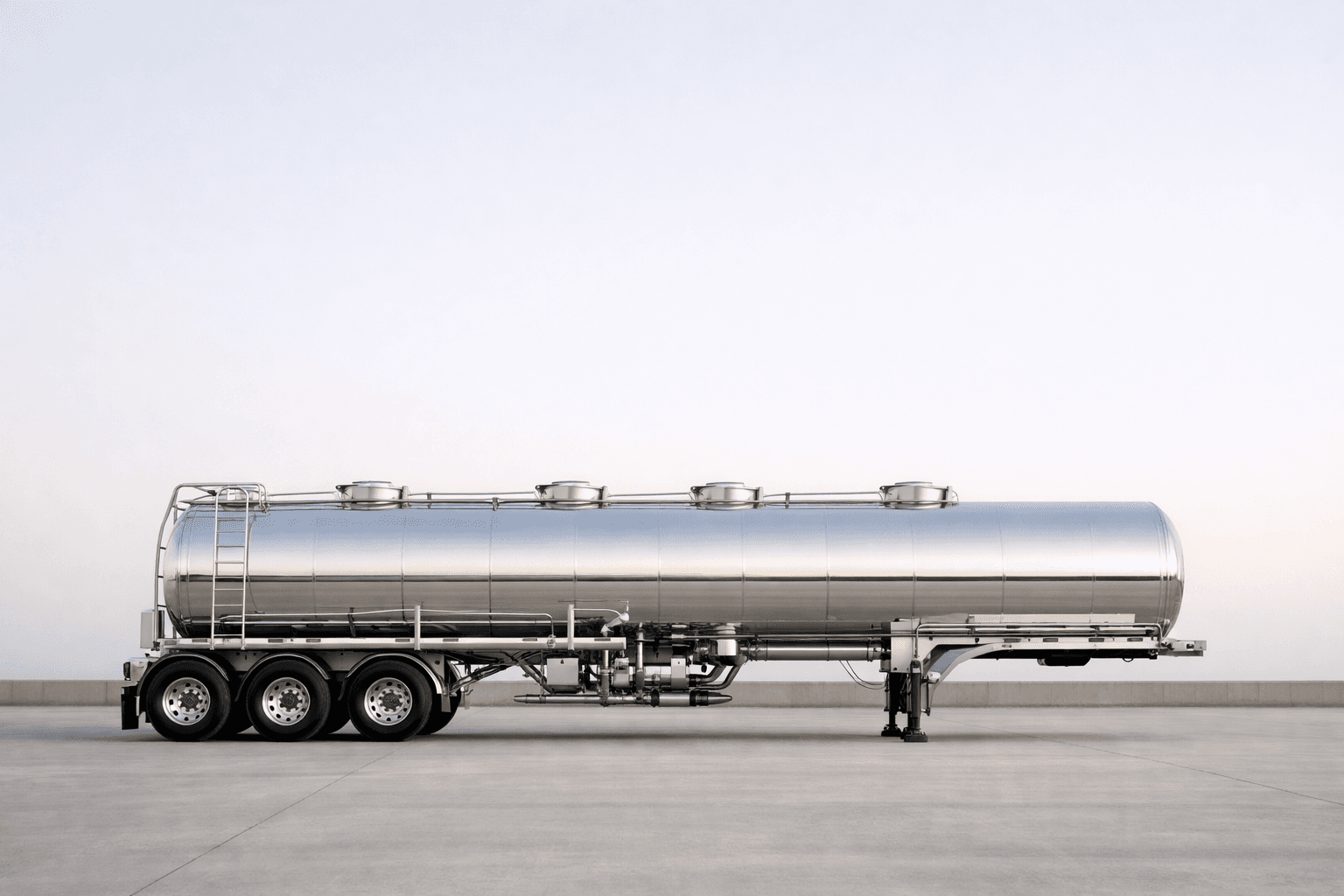
Transportation is the biggest hidden cost. CO₂ is heavy and expensive to move. A tanker truck carries about 20 tons. At $0.10 per ton per mile, moving CO₂ 500 miles adds $50 per ton to the delivered cost. Distributed production close to demand centers eliminates most of this transportation burden.
The Resilience Premium
The 2022 CO₂ shortage demonstrated what happens when centralized supply fails. Buyers who depended on a single regional source were left without product. Prices spiked 50 percent or more. Some buyers were cut off entirely.
Distributed supply is inherently more resilient. If one 30 ton facility goes down for maintenance, it affects a small number of local customers. It does not cascade across an entire region. The network absorbs the disruption instead of amplifying it.
The RNG Opportunity
RNG upgraders are the ideal host for distributed carbon capture. They produce concentrated CO₂ as a byproduct. They are geographically dispersed, located near dairy farms, landfills, and wastewater treatment plants across the country. They are already permitted and operating. The infrastructure exists. You just need to add the capture equipment.
There are over 300 RNG facilities operating or in development in the U.S. today. Each one is a potential CO₂ production site. The total addressable volume is millions of tons per year.
The Numbers
A 30 ton per day distributed capture facility produces roughly 10,000 tons per year. At current beverage grade pricing, that is $1.5 to $2.5 million in annual revenue. Capital costs for a modular system are $5 to $10 million depending on size and site conditions. With 45Q tax credits, payback periods are typically 4 to 7 years.
These are not venture capital economics. These are infrastructure returns with real revenue from day one. The product has existing demand. The buyers are known. The technology is proven. That is why we think distributed carbon capture is not just a good idea but a better business model for how America produces CO₂.