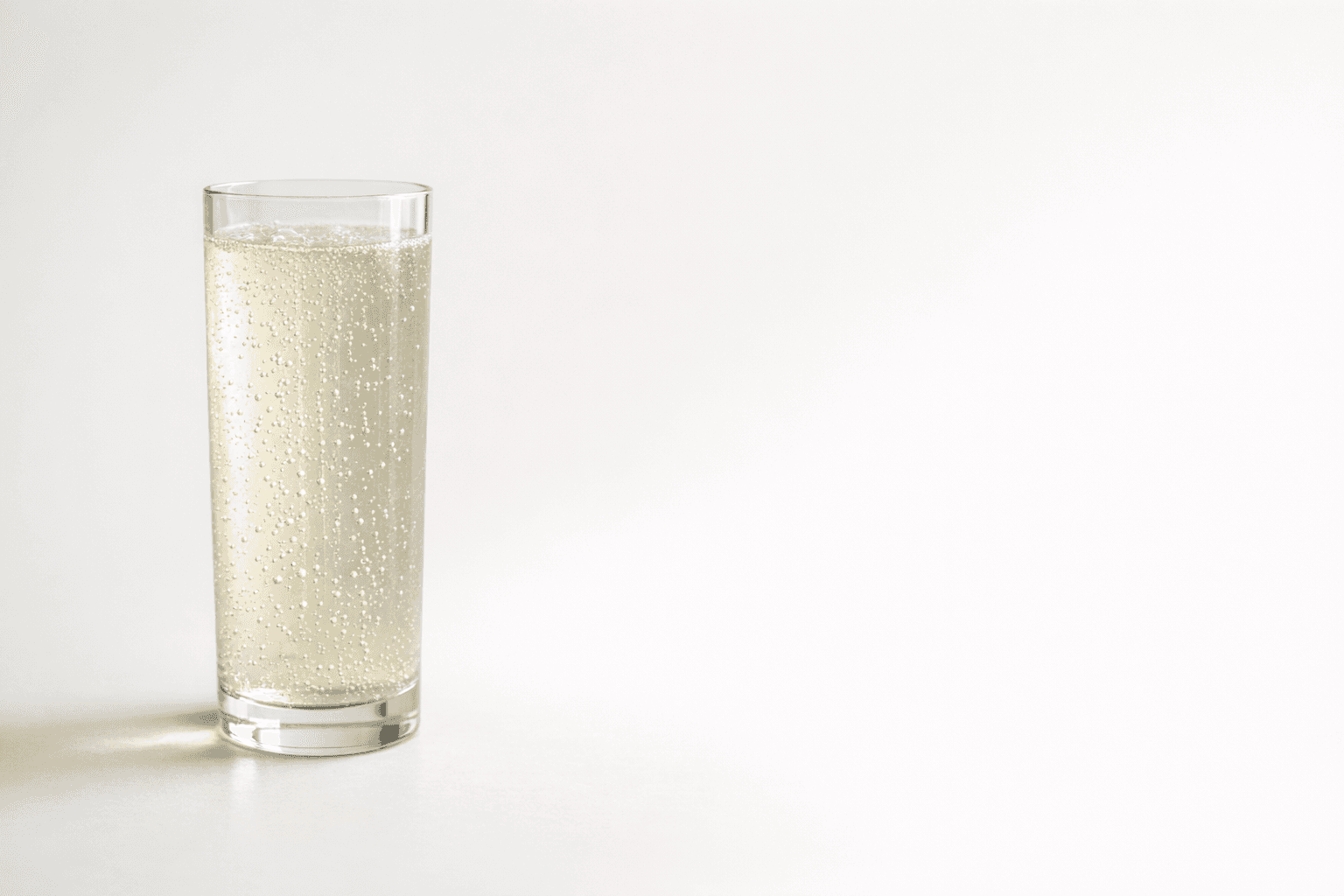
You crack open a can of sparkling water, and the carbonation hits your tongue. That fizz is CO₂. But very few people, even in the beverage industry, could tell you where it came from or what it went through to get there.
The CO₂ supply chain is one of the least understood industrial systems in the country. It touches food safety, energy production, chemical processing, and logistics. And it has more failure points than most buyers realize.
Here is how CO₂ actually moves from source to glass.
Where CO₂ Comes From
Commercial CO₂ in the U.S. comes from a handful of source types. The biggest is ammonia production. When natural gas is reformed to make ammonia for fertilizer, a concentrated CO₂ stream is produced as a byproduct. Industrial gas companies capture that stream and sell it into the merchant market. Ammonia plants account for roughly 45 percent of all merchant CO₂ supply in the country.
Ethanol fermentation is the second major source. When yeast converts corn sugar to ethanol, it produces nearly pure CO₂. Many ethanol plants have CO₂ recovery systems that capture this stream and sell it commercially.
Natural underground reservoirs, primarily Jackson Dome in Mississippi, provide another share. These are wells that tap naturally occurring CO₂ deposits. A few hydrogen plants and chemical facilities round out the rest.
There is one more source that is growing: renewable natural gas facilities. When biogas from landfills or dairy digesters is upgraded to pipeline-quality methane, the CO₂ that gets separated out is typically vented to atmosphere. That is the stream we capture at CleanCycleCarbon.
The Purification Problem
Raw CO₂ from any of these sources is not ready for commercial use. It contains impurities. Depending on the source, you might find sulfur compounds, volatile organic compounds, moisture, nitrogen, oxygen, or trace contaminants like benzene.
For industrial applications like welding or fire suppression, some of these impurities are tolerable. But for anything that contacts food or beverages, the standard is completely different.
Beverage grade CO₂ must meet the International Society of Beverage Technologists (ISBT) standard. This sets maximum allowable levels for dozens of contaminants, many measured in parts per billion. Benzene, for example, must be below 20 ppb. Hydrogen sulfide must be below 100 ppb. Total sulfur below 100 ppb. These are not suggestions. If your CO₂ fails ISBT testing, no reputable beverage company will use it.
Getting from raw gas to beverage grade requires serious purification. The two main approaches are chemical absorption (using scrubbers and amine systems to strip impurities) and cryogenic purification (using extreme cold to separate contaminants based on their condensation points). Cryogenic systems can achieve higher purity levels and handle a wider range of contaminants, which is why we use a patent-pending cryogenic process at our Lewiston, NC facility.
Compression, Liquefaction, and Storage
Once CO₂ is purified, it needs to be stored and transported. At standard temperature and pressure, CO₂ is a gas. That is not practical for shipping. So it gets compressed and cooled into a liquid, which is roughly 500 times denser than the gas phase.
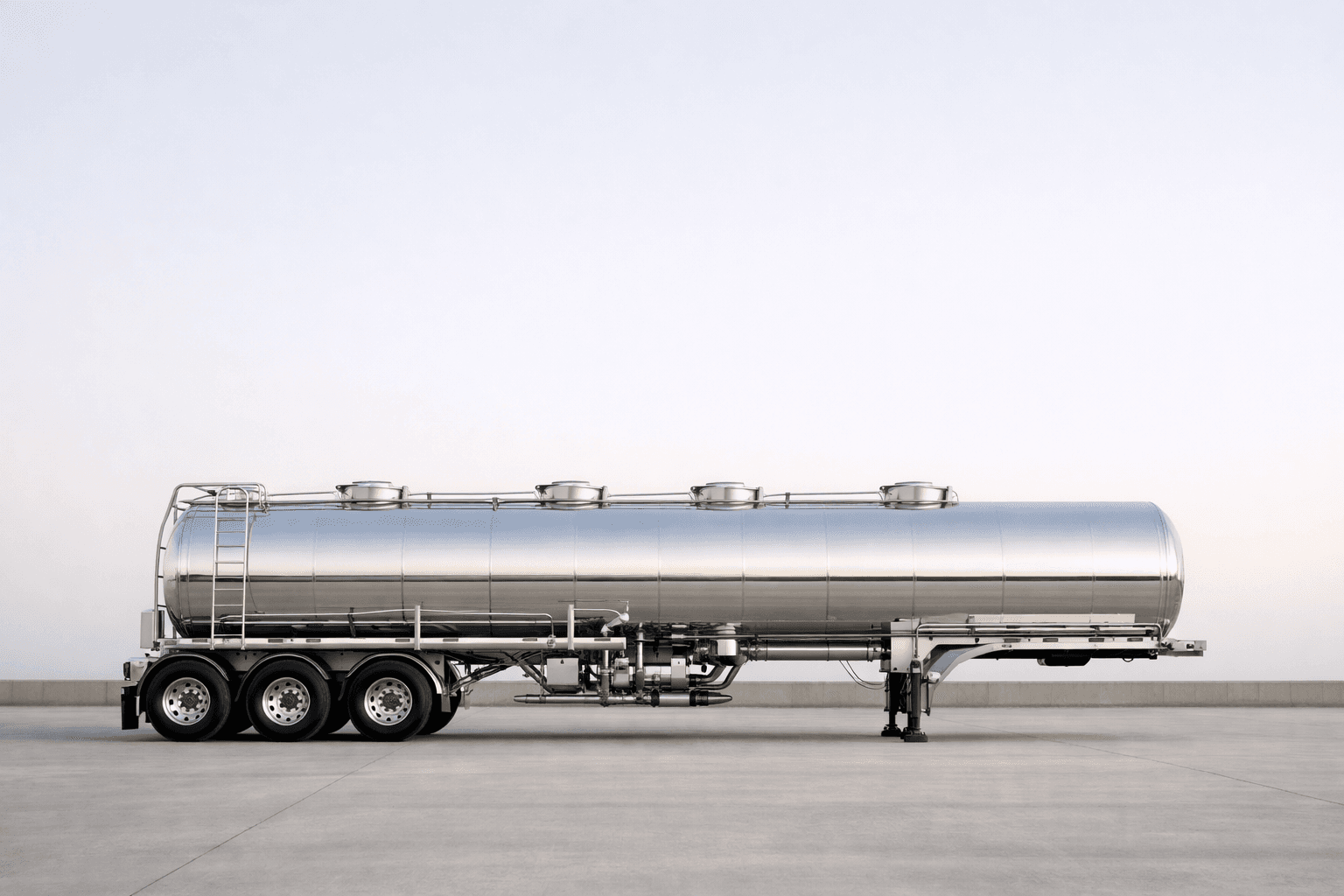
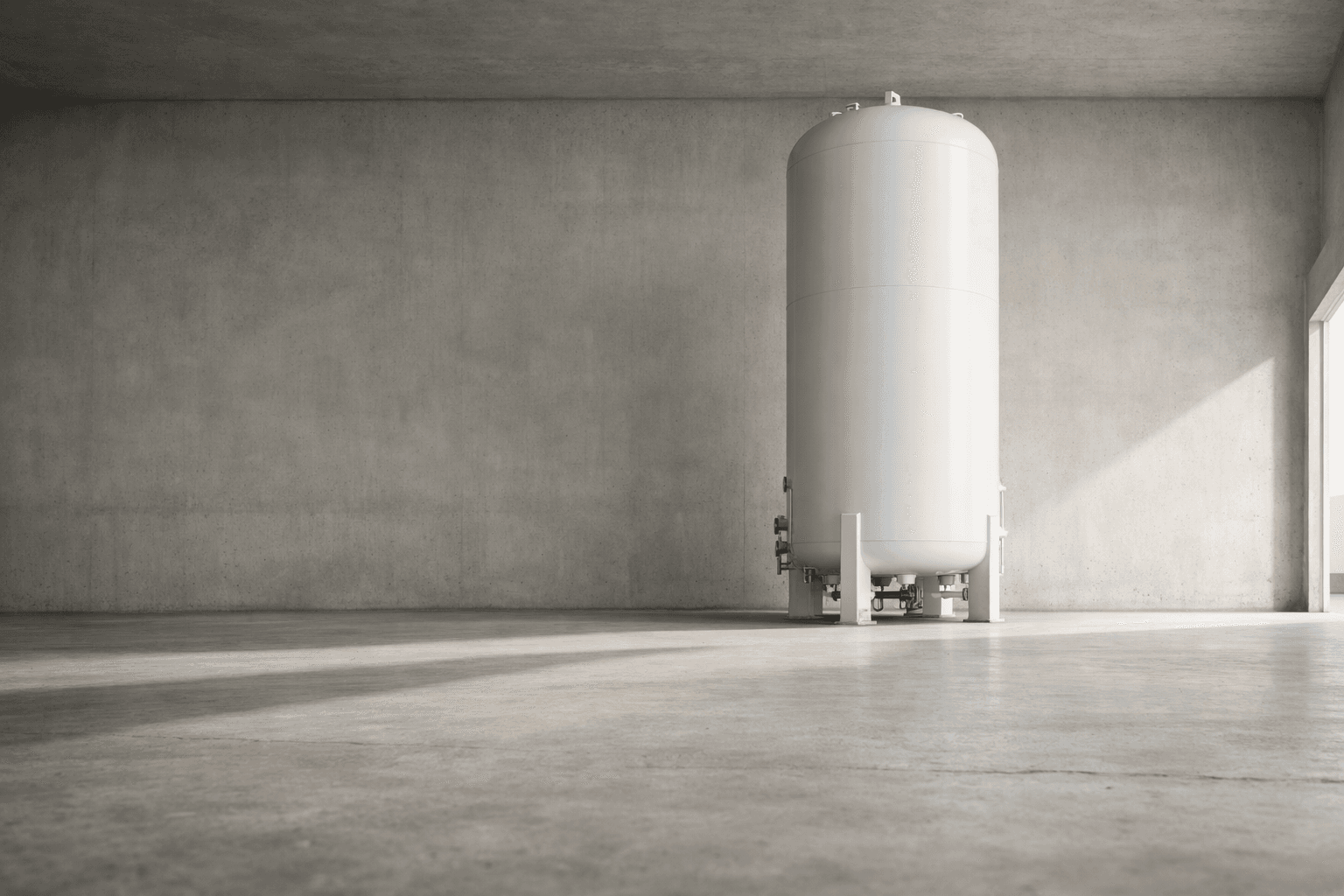
Liquid CO₂ is stored in insulated tanks at the production facility, typically at around 300 psi and minus 10 degrees Fahrenheit. From there, it moves by tanker truck to distribution terminals, beverage plants, food processors, or other end users who have their own bulk storage tanks on site.
Smaller customers buy CO₂ in high-pressure cylinders or as dry ice (solid CO₂ at minus 109 degrees Fahrenheit). But the bulk of beverage-grade supply moves in liquid form by truck.
The Distribution Chain
This is where the system gets fragile. CO₂ production is concentrated at a relatively small number of large facilities, mostly in the Gulf Coast and Midwest. But demand is everywhere. Every city with a brewery, a soda bottler, a sparkling water brand, or a restaurant with a fountain drink system needs CO₂.
The gap between concentrated supply and distributed demand is bridged by a network of distributors and industrial gas companies. These companies buy bulk CO₂ from producers, store it at regional terminals, and deliver it to end users on regular schedules. Some of the largest players are Linde, Air Liquide, and Matheson. Regional distributors fill in the coverage gaps.
The catch: when a major production source goes offline, there is no substitute sitting in a warehouse. CO₂ is a continuous-flow commodity. Production must roughly match consumption on an ongoing basis. There is some buffer in storage tanks across the distribution network, but it is measured in days, not weeks. A significant supply disruption shows up at end users fast.
Why This Matters for Buyers
If you buy CO₂ for beverage carbonation or food processing, the structure of this supply chain directly affects your risk. When ammonia plants curtail because fertilizer economics shift, your CO₂ supply gets tighter. When a pipeline goes down or a natural reservoir declines, the whole market feels it.
The 2022 CO₂ shortage was not a one-time event. It was the supply chain working exactly as designed under stress. The design itself is the problem. Too few sources, too much concentration, too little redundancy.
This is why distributed production from new, independent sources matters. Every facility that captures CO₂ from a waste stream (fermentation, RNG upgrading, industrial processes) and purifies it to beverage grade adds a node to the network that is not coupled to the same commodity cycles as ammonia or natural gas wells.
At CleanCycleCarbon, we are building exactly this kind of distributed capacity. We co-locate at RNG facilities, capture the CO₂ that would otherwise be vented, purify it to FDA-registered beverage grade using our cryogenic technology, and deliver it to regional customers.
The supply chain does not have to be this concentrated. The feedstocks for a more resilient system already exist. They are being vented at hundreds of facilities right now.