Carbon dioxide shows up in more of daily life than most people would guess. It puts the fizz in a soda, freezes shrimp on a boat before it reaches the dock, keeps a bag of salad from spoiling on the drive home, and lowers the pH of the water coming out of the tap. Same molecule, four completely different jobs.
The U.S. merchant CO₂ market is roughly 30 million metric tons a year, and almost none of it goes back into the ground. It gets used. Understanding where it goes, and how clean it has to be for each job, explains a lot about why the supply chain is as fragile as it is.
Food and Beverage Is the Demanding One
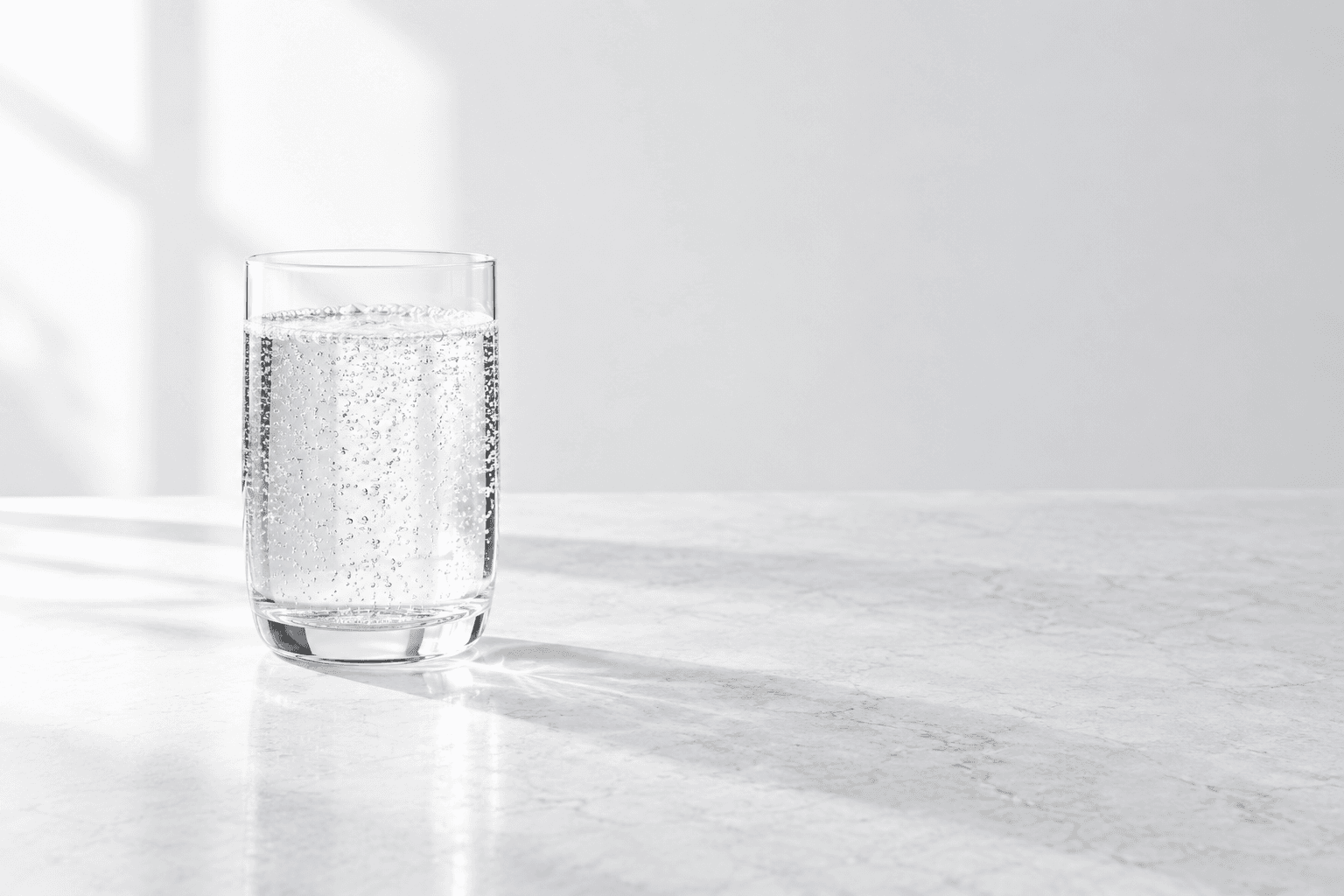
Beverage carbonation is the largest high purity use of CO₂ in the country. Every carbonated soft drink, seltzer, and beer depends on it. It is also the hardest specification to hit. Beverage grade CO₂ has to test at 99.9 percent purity or better, with contaminants measured in parts per billion. The benzene limit is 20 ppb. Benzene is a known carcinogen, so 25 ppb is not a rounding error. It is a product you cannot sell.
Food processing leans on CO₂ just as hard, in ways people rarely see. Dry ice, which is solid CO₂ at 109 degrees below zero Fahrenheit, moves temperature sensitive food and pharmaceuticals through the cold chain. Modified atmosphere packaging floods a sealed package with CO₂ to slow the bacteria and mold that spoil fresh meat, produce, and bakery items. That is how a bag of lettuce survives a week on a shelf without turning. None of it works with a dirty gas, because the CO₂ is in direct contact with food people eat.
Water, Welding, and the Industrial Middle
Plenty of CO₂ never touches food at all. Municipal water utilities inject it to adjust pH, a cleaner and safer job than handling mineral acids like sulfuric acid. Metal fabricators use it as a shielding gas in MIG welding, where it keeps oxygen in the air away from the weld pool. These uses tolerate a lower grade of CO₂ than beverage does, which is part of why one molecule can serve such a wide range of customers at once.
Then there is the chemistry. Above about 88 degrees Fahrenheit and 1,070 psi, CO₂ turns supercritical and behaves like both a liquid and a gas. In that state it strips caffeine out of coffee beans and pulls oils out of hops and botanicals without leaving a solvent behind. It is the reason good decaf tastes like coffee instead of paint thinner.
Greenhouses and the Growing Uses
Controlled environment agriculture is one of the fastest growing sources of demand. Greenhouses dose the air with CO₂ to speed up photosynthesis, and the yield gains run 20 to 30 percent on many crops. We covered that market in its own post. The short version is that as indoor farming scales, it needs far more reliable CO₂ than the current supply chain was built to deliver.
Medicine uses it too. Surgeons inflate the abdomen with CO₂ during laparoscopic procedures because the body absorbs it safely. Add fire suppression, enhanced oil recovery, and pneumatic systems, and the list keeps going. Carbon dioxide is one of the most versatile industrial inputs there is, which is exactly why a disruption in supply lands on so many industries at the same time. A cheese plant, a welding shop, and a hospital can all be buying carbon dioxide on the same Tuesday and never think about where it came from.
Why the Grade Decides Everything
The common thread across all of this is purity, and it is where most of the confusion lives. The CO₂ that shields a weld and the CO₂ that carbonates a lager are the same compound, but they are not the same product. What separates them is what else is in the stream. Sulfur compounds, hydrocarbons, moisture, and heavy metals all have to come out before CO₂ is safe for food and beverage contact.
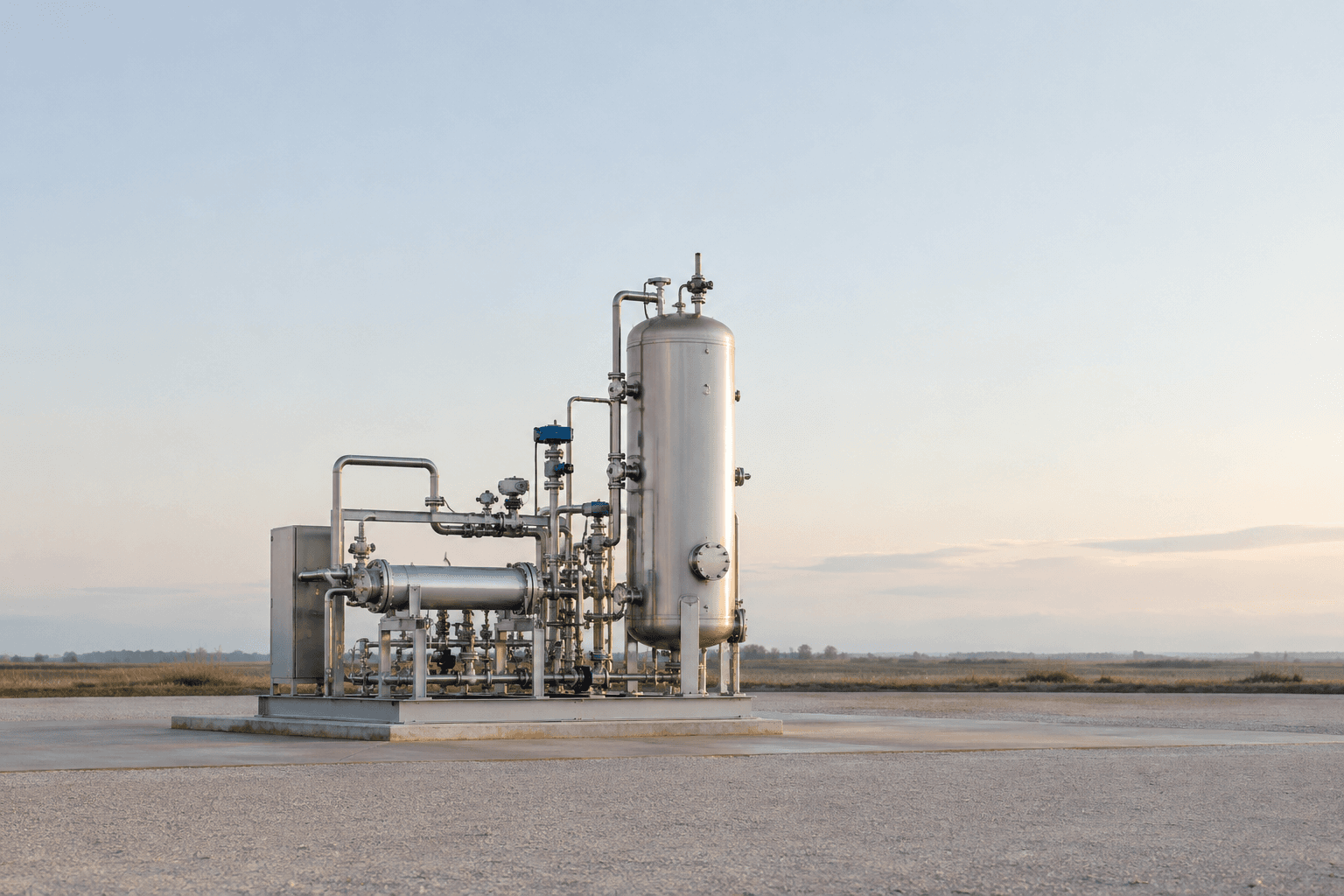
That is the work we do at CleanCycleCarbon. Our patent pending cryogenic purification, first built out at our Lewiston, North Carolina facility, takes a raw CO₂ stream and cleans it to FDA registered beverage grade, verified by third party lab testing on every batch. Hitting technical grade is not hard. Hitting beverage grade, consistently, load after load, is the whole business.
One Supply Chain, Many Dependencies
Here is why any of this matters beyond trivia. Food, beverage, water treatment, healthcare, agriculture, and manufacturing all draw from largely the same narrow pool of CO₂ production. When an ammonia plant goes down for maintenance or an ethanol facility cuts output, a brewery in one state and a water utility in another feel it in the same week. That is what the 2022 shortage exposed, and the structure that caused it has not changed.
The fix is more sources, closer to where the CO₂ is used, captured from streams that would otherwise be vented. That is the supply we are building. Not because CO₂ is exotic, but because so much of the economy quietly runs on it, and the people who depend on it deserve a supply that does not disappear every couple of years.